Which Modern Pennies Are Actually Worth Saving?
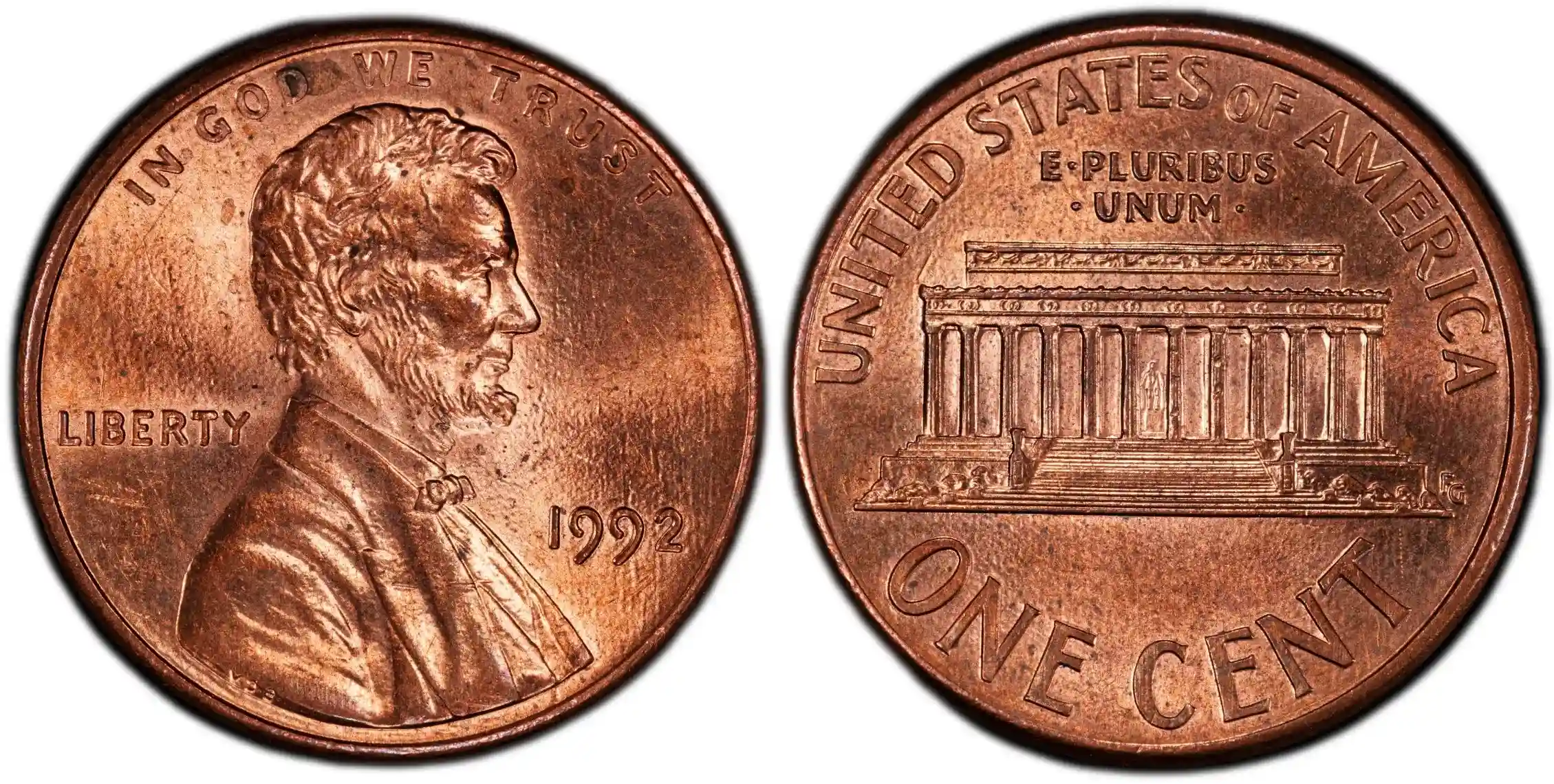
Ordinary 1972 pennies worth $0.01 in worn condition can turn into valuable items selling for $300 upon finding a rare mint error. People pay average prices around $150-250 for coins in high grade without errors.
Record auction 1972 penny value reached $14400 for perfect quality specimens displaying double die errors.
1972 Doubled Die Obverse Pennies
Production mistakes on copper metal planchets make 1972 a special target. Philadelphia workers made mistakes preparing the coin dies. This error created several distinct variations showing doubled images.
Doubled Die Variety FS-101
Die variety FS-101 represents the most expensive doubling error found on 1972 pennies. Letters in LIBERTY and IN GOD WE TRUST show clear separate lines. Number digits in the date also appear doubled.
Sellers price MS60 coins around $100-150. Moving up to MS63 increases the price to $250-350. Top quality MS65 specimens sell for $600-800. Professional auctions recorded a top price of $14400 for an MS67 Red coin. This variety shows a 7% annual value growth because high quality specimens disappear from the active market.
Doubled Die Variety FS-103
Variety FS-103 shows a smaller but visible doubling of letters shifting left. Prices remain lower than the first variety, making this coin attractive for new buyers.
Standard MS63 coins trade around $80-120. Better MS65 coins reach prices of $200-300. Professional auction houses sold the record specimen for $2160. Market value for this variety increases by 4% every year.
Minor Doubled Die Varieties
Workers made other minor doubling errors categorized from FS-102 to FS-108. Finding these errors requires using strong microscopes.
Average MS63 prices for minor varieties stay around $15-35. Rare MS65 specimens can sell for $70-120. Record sales for MS66 grades rarely go over $400. Investment potential remains low because major buyers avoid these minor varieties.
Key Factors of Modern Penny Value
Coin pricing depends on three clear properties setting the final profit. Professional coin grading removes personal opinions.
Coin Surface Color Classification
Copper metal coins receive color designations changing their market value. Exposure to oxygen alters the metal surface over time.
Red surface RD
Red brown surface RB
Brown surface BN
Losing the red color drops the price by 50-60%. Turning brown removes up to 80% of the potential value.
Coin Grading Scale
Coin Grade | Surface Condition | Normal Coin Price | Rare Error Price |
MS60 | Small marks, low shine | $0.05-0.15 | $50-100 |
MS63 | Average shine, small hits | $0.25-0.50 | $150-300 |
MS65 | Strong luster, rare spots | $1-3 | $600-1000 |
MS67 | Perfect look, almost no marks | $15-50 | $3000-14000 |
Mint Marks
Pennies without letters come from Philadelphia. Letter D shows production in Denver. Letter S means production in San Francisco. Philadelphia and Denver made coins for trade. San Francisco made special collector sets.
Denver 1972 coins in MS65 sell for $1-2 because workers made 2.6 billion units. Philadelphia made 2.9 billion coins, keeping standard MS65 prices around $2. San Francisco Proof coins sell for $1-5 depending on contrast.
Other Valuable Modern US Pennies
Mint Date | Mint Mark | Error Type | Average MS63 Price | Average MS65 Price | Record Auction Price |
1972 | No mark | FS-101 Doubled Die | $300 | $750 | $14400 |
1972 | No mark | FS-103 Doubled Die | $100 | $250 | $2160 |
1983 | No mark | Doubled Die Reverse | $85 | $300 | $7050 |
1992 | No mark | Close AM | $2000 | $6500 | $25850 |
1992 | D | Close AM | $1500 | $5000 | $20700 |
1995 | No mark | Doubled Die Obverse | $12 | $40 | $5053 |
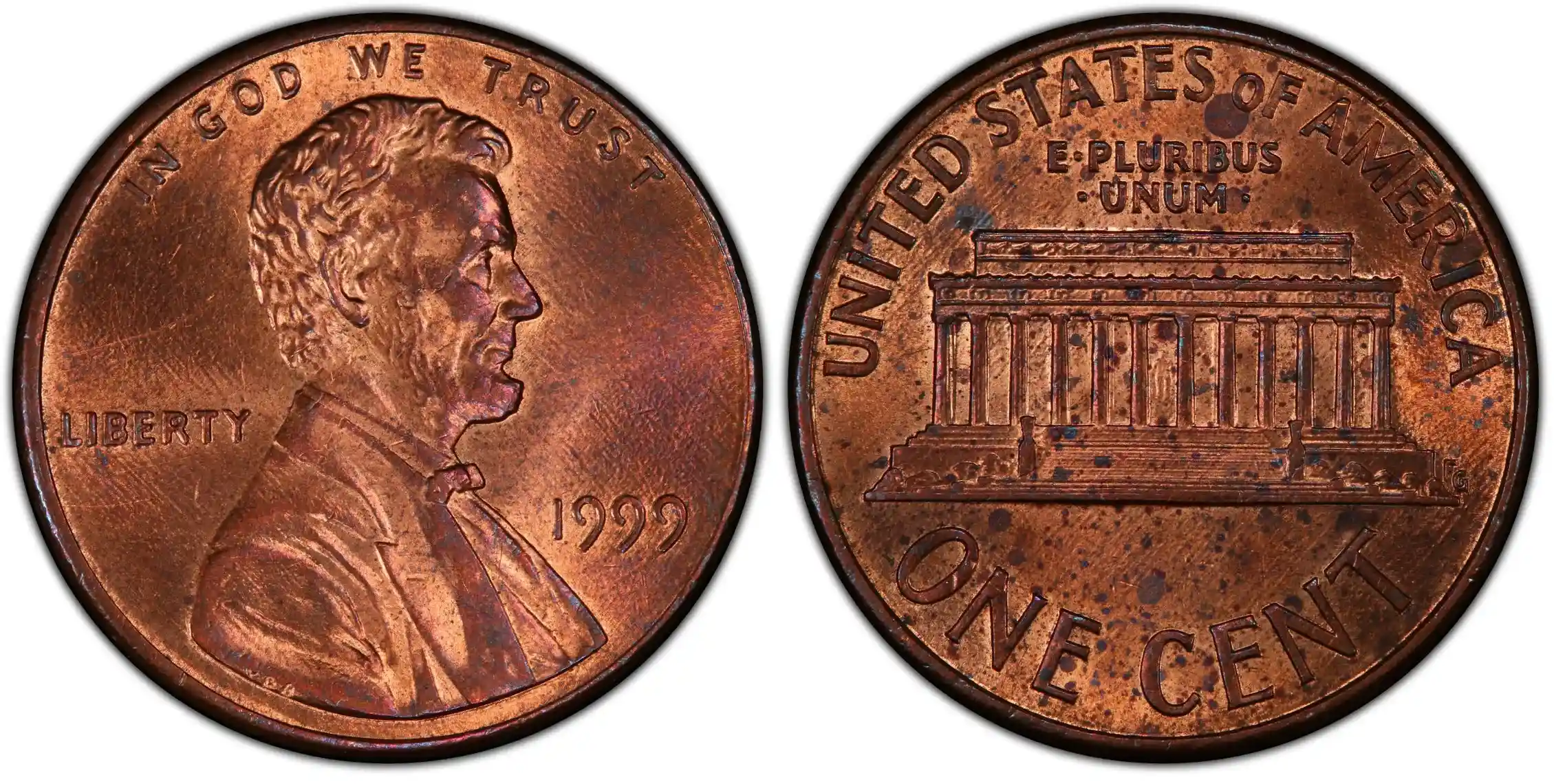
1999 | No mark | Wide AM | $50 | $200 | $5462 |
Apart from 1972, other mint dates offer high financial returns due to design errors.
1992 Close AM Variety
This rare variety happened because workers used a reverse die meant for commemorative coins of 1993. Letters A and M in AMERICA almost touch at the bottom.
Worn coins from trade sell for $1000-1500. Perfect MS65 specimens can bring $5000-8000. Record prices reach $25850 for MS67 Red coins. Value increases by 12% yearly due to high market demand.
1995 Doubled Die Obverse
This clear error shows strong doubling on the word LIBERTY. Finding this coin is easy without using special tools. High production numbers keep the prices low.
MS63 coins sell for $10-15
MS65 coins sell for $30-45
MS67 coins sell for $150-200
Record sales reach $5053 for perfect MS68 Red specimens. Low grades lose 2% value yearly because people find new coins.
1999 Wide AM Variety
This reverse error shows a wide space between letters A and M in AMERICA. Workers mistakenly used a proof style die for regular business strike coins.
Circulated coins sell for $5-15. Nice MS63 pieces reach $40-60. Top MS65 specimens cost $150-250. Record sales reach $5462. Strong demand provides an 8% annual price growth.
1983 Doubled Die Reverse
Letters in ONE CENT and E PLURIBUS UNUM show strong double lines on the reverse side. Philadelphia workers caused this famous error.
Sellers ask $70-100 for MS63 specimens. Better MS65 coins cost $250-350. Record auction sales reached $7050 for a perfect MS68 Red specimen.
Causes of Financial Loss in Coin Collecting
Wrong physical actions cause major drops in coin market value. Protecting these assets requires following strict rules.
Coin Cleaning Mistakes
Washing pennies with chemicals or rubbing the surface destroys the original mint luster. Cleaned coins lose their collector status instantly. Value drops to $0.01 even for rare varieties. Professional grading companies recognize cleaned surfaces and refuse to grade them.
Coin Storage Mistakes
Using cheap albums containing soft plastic causes a green chemical layer on copper metal. This chemical reaction destroys copper metal, dropping 1972 penny values from $300 to zero over time.
High humidity
Soft plastic folders
Direct sunlight exposure
Direct finger contact
Storing coins without hard plastic holders leads to dark spots. One tiny spot drops the color grade from Red to Red Brown, causing a 50% loss in value.